
The Mental Strength Required to Be a Financial Trader
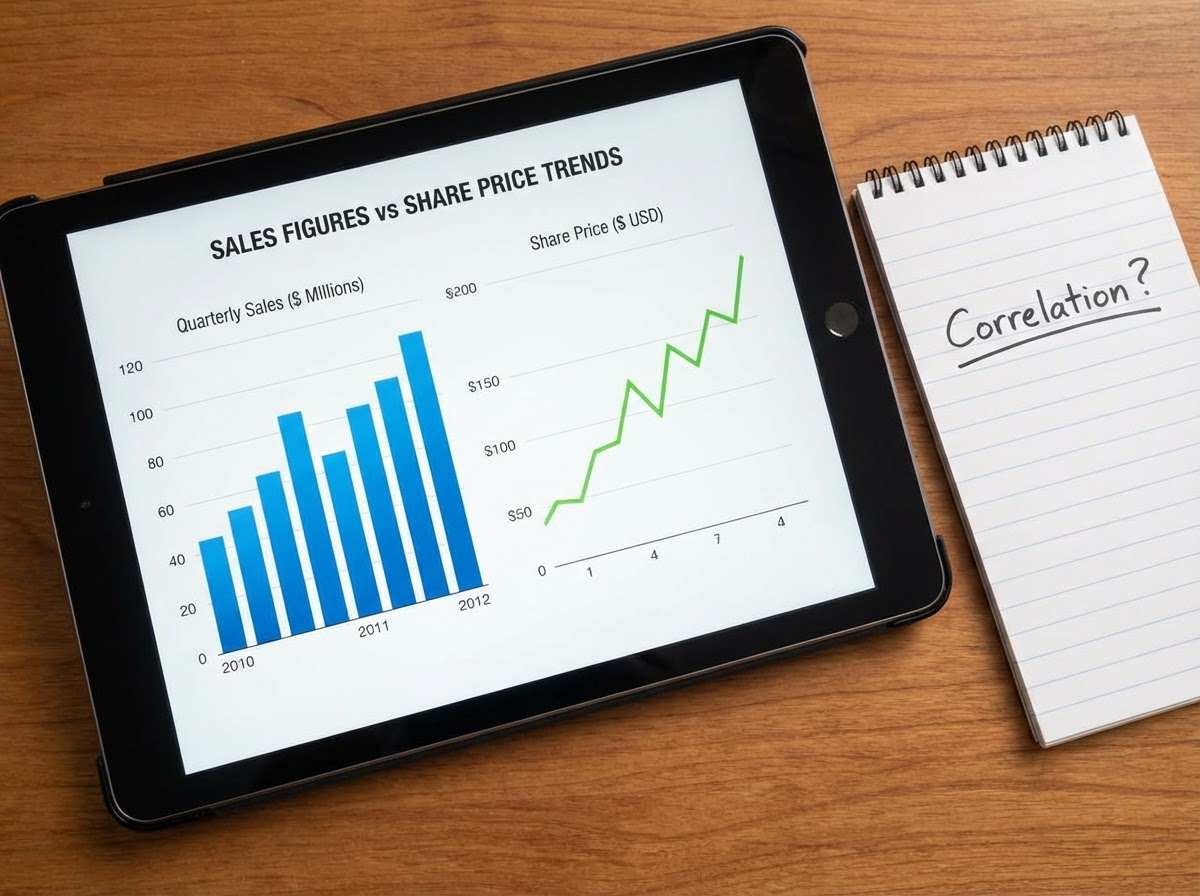
Financial trading is often portrayed as a numbers game — charts, models, algorithms, and economic data. But behind every strategy sits something far more fragile and far more powerful: the human mind. In reality, long-term success in markets depends less on intelligence and more on psychological resilience. The technical edge may open the door. Mental strength determines whether you stay in the room.
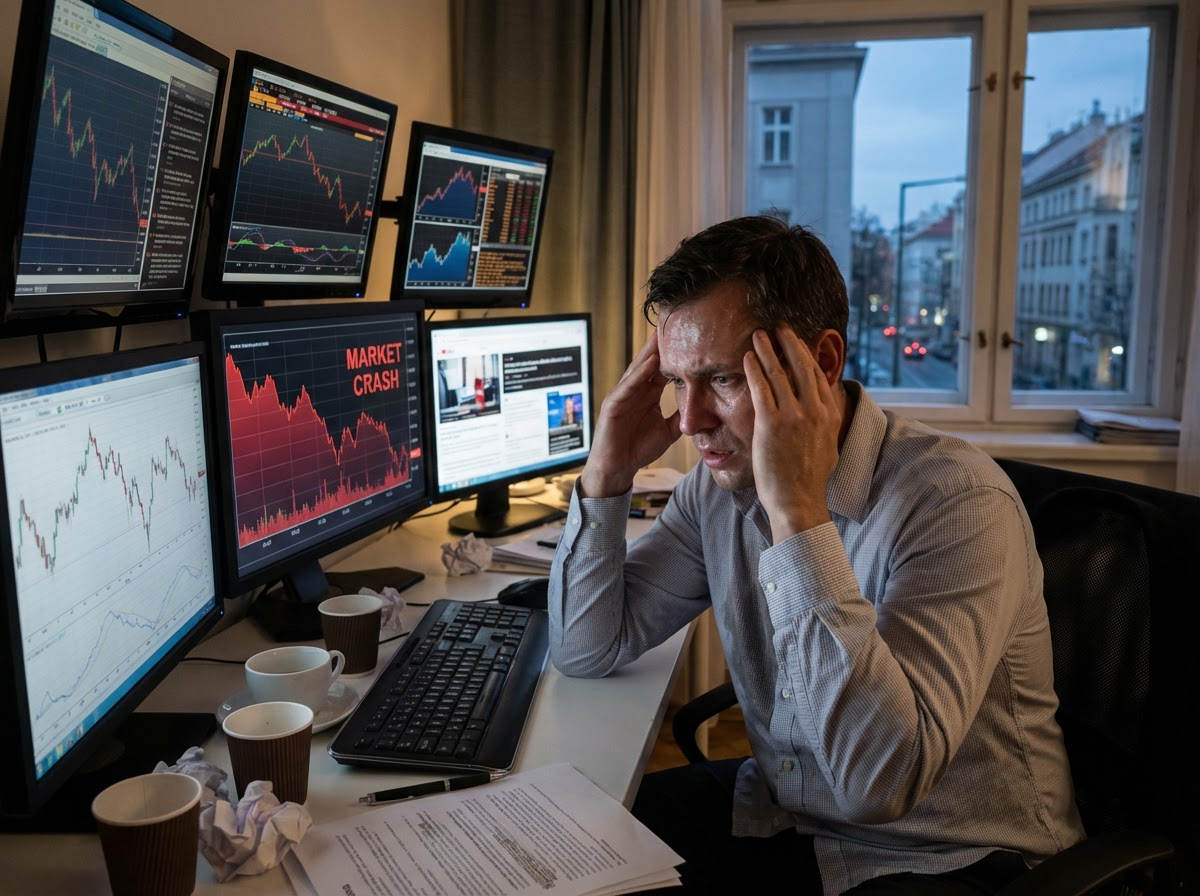
The Psychological Battlefield of the Markets
Markets are environments of uncertainty. Prices fluctuate for reasons both rational and irrational. News shocks, liquidity shifts, algorithmic flows, and global macro events can move assets instantly on exchanges like the New York Stock Exchange or the Chicago Mercantile Exchange.
A trader must operate within this uncertainty daily — without emotional destabilization.
Unlike traditional professions where effort and time often correlate with predictable outcomes, trading delivers irregular reinforcement. You can make the “right” decision and lose money. You can make a poor decision and be rewarded. That disconnect between effort and outcome is psychologically taxing.
Mental strength begins with accepting this reality.
Emotional Control Under Pressure
The two most destructive emotions in trading are fear and greed.
- Fear causes premature exits, missed opportunities, and paralysis.
- Greed leads to oversized positions, overtrading, and abandonment of risk controls.
When capital is at risk, the brain’s threat response activates. Losses feel personal. Gains can create overconfidence. Without disciplined self-regulation, a trader becomes reactive rather than strategic.
Mental resilience means executing your plan when your emotions argue against it.
Professional traders often describe their edge not as superior forecasting, but as superior emotional neutrality.
The Ability to Withstand Drawdowns
Every trading strategy — even highly profitable ones — experiences losing streaks.
The collapse of firms such as Long-Term Capital Management serves as a reminder that even sophisticated strategies can unravel under stress when risk tolerance exceeds psychological capacity.
On a personal level, traders must endure:
- Consecutive losses
- Capital drawdowns
- Public scrutiny (in institutional settings)
- Self-doubt
Mental strength is the capacity to maintain process discipline during adversity.
Many traders fail not because their strategy lacks an edge, but because they abandon it during inevitable periods of underperformance.
Detachment from Outcomes
Strong traders think in probabilities, not certainties.
Each trade is one event in a large sample size. It carries no emotional meaning beyond its statistical place in a distribution of outcomes. This mindset resembles the discipline found in professional poker or high-level sports betting: success depends on expected value over time, not individual results.
Detachment does not mean indifference. It means clarity.
A mentally strong trader evaluates decisions based on process quality, not short-term profit or loss.
Patience and Selectivity
Markets offer constant stimulation. Prices tick every second. News flows continuously. Opportunities appear everywhere — or seem to.
The mentally weak trader feels compelled to act.
The disciplined trader understands that inactivity is often a strategic advantage. Waiting for high-probability setups requires resisting boredom, social comparison, and the fear of missing out.
In an industry where action feels productive, patience is a competitive edge.
Adaptability Without Panic
Markets evolve. Strategies that worked in one regime may underperform in another. Volatility cycles change. Liquidity conditions shift. New participants alter market structure.
Mental strength includes flexibility — the ability to reassess assumptions and adapt without emotional overreaction.
There is a difference between disciplined consistency and stubborn attachment.
The strongest traders can:
- Recognize when market conditions change
- Adjust risk appropriately
- Modify tactics without abandoning principles
Identity and Ego Management
Perhaps the most underestimated psychological challenge is ego.
Traders who tie their identity to being “right” struggle to cut losses quickly. Markets do not reward ego. They reward adaptability and risk control.
Admitting error quickly is a strength, not a weakness.
The ability to say, “I was wrong,” close the position, and move forward calmly is one of the clearest markers of psychological maturity in trading.
The Isolation Factor
Trading can be a solitary pursuit. Even in institutional settings, decision-making responsibility can feel isolating. There is no external validation cycle like in traditional corporate environments.
You are accountable to performance metrics that update in real time.
Mental durability includes:
- Comfort with solitude
- Internal motivation
- Self-regulation without constant supervision
Building Mental Strength
Psychological resilience is not purely innate. It can be developed through:
- Structured risk management rules
- Position sizing discipline
- Journaling and performance review
- Predefined exit criteria
- Physical health and stress management routines
The goal is to reduce emotional variability so that execution becomes systematic rather than reactive.
The Final Reality
Technical skills may get a trader started. Analytical ability may create an edge. But long-term survival in financial markets depends on psychological stability under uncertainty.
The markets test:
- Patience
- Discipline
- Humility
- Emotional control
- Tolerance for ambiguity
In the end, trading is less a battle against the market and more a battle against oneself.
Those who develop the mental strength to remain disciplined when others panic — and cautious when others become euphoric — are the ones who endure long enough for their edge to compound.