

Sales Growth - A Key Metric in Finding Winners
For investors seeking outsized returns, few indicators are as revealing as revenue growth. While quarterly earnings often dominate headlines and financial media coverage, experienced investors understand that the top line frequently tells a more reliable story about a company’s trajectory.
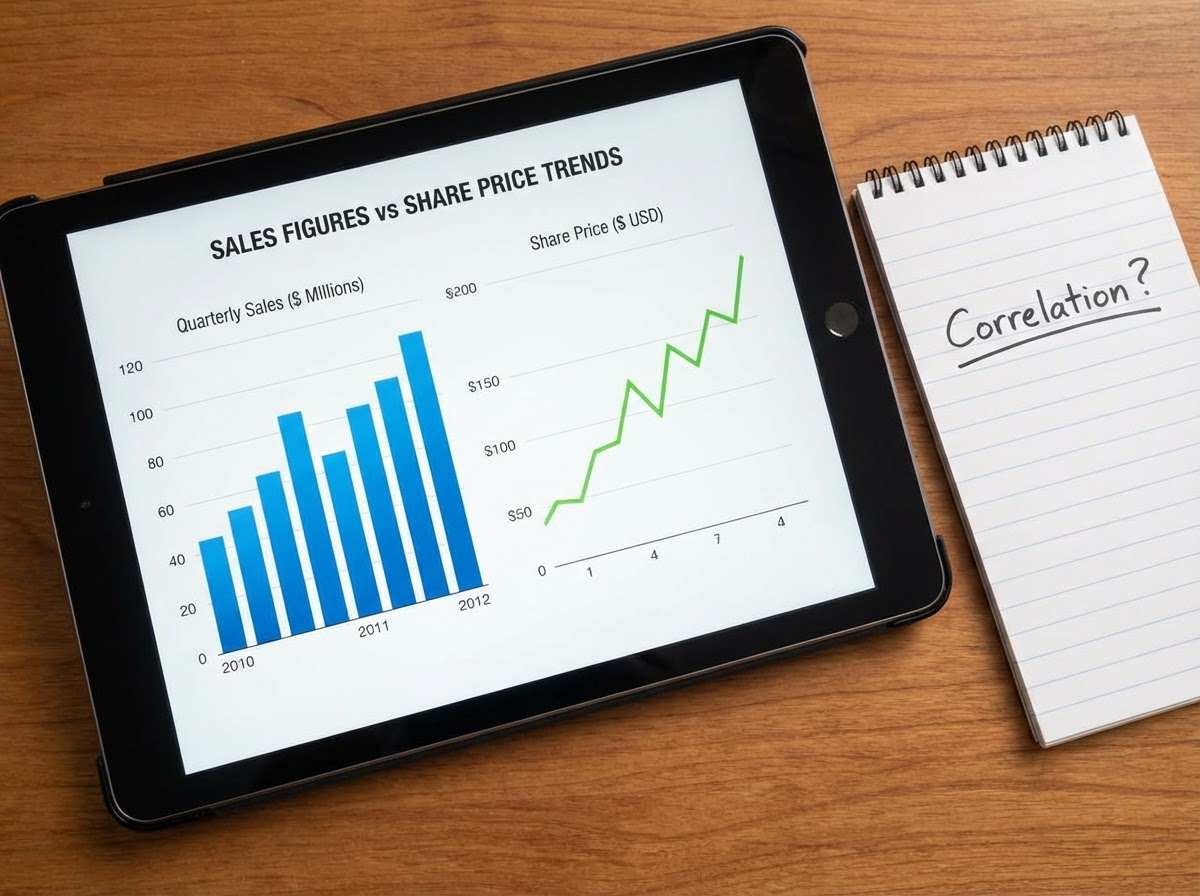
Earnings can fluctuate for many reasons that have little to do with genuine business expansion. Accounting adjustments, tax strategies, restructuring efforts, or one-off asset sales can all inflate net income temporarily. Revenue, however, reflects actual customer demand. Either customers are buying more of a company’s products and services, or they are not.
That distinction makes sales growth a powerful signal.
A company reporting rising profits while revenue is shrinking may simply be cutting expenses or benefiting from short-term accounting effects. In that scenario, profitability improves, but the underlying business may actually be contracting. Over time, shrinking demand tends to catch up with the bottom line.
Sustained revenue growth, on the other hand, demonstrates expanding market acceptance. It indicates that more customers are choosing the company’s products, creating a base from which profits can grow naturally in the future.
Why Large Investors Focus on Revenue Trends
Institutional investors often prioritize revenue trends for several reasons:
- Revenue growth reflects real demand in the marketplace.
- Expanding sales can create operating leverage, allowing profits to grow faster than revenue over time.
- Long-term investors need evidence that growth momentum is durable.
- Companies with falling sales rarely maintain strong stock performance for extended periods.
When institutions build positions over months or quarters, they seek businesses with consistent and expanding demand — not temporary earnings boosts.
The Power of Acceleration
Year-over-year growth provides a foundation for evaluating performance. However, the real inflection points often appear in quarter-over-quarter acceleration — when the growth rate itself begins increasing.
Acceleration occurs when each quarter’s revenue growth outpaces the previous one. For example, if a company posts 20% growth, then 27%, then 35%, the rate of expansion is compounding. Not only are sales rising, but they are rising at an increasing pace. This dynamic often signals strengthening competitive positioning or expanding market opportunity.
Accelerating growth tends to attract institutional attention because it suggests momentum that may persist.
What Causes Sales to Accelerate?
Several developments can drive this type of momentum:
New Product Adoption
Breakthrough products often begin with modest sales. As awareness spreads and distribution expands, adoption accelerates rapidly. Many transformative businesses have followed this pattern when introducing category-defining products.
Market Expansion
Entering new geographic regions or customer segments can layer additional revenue streams onto an already growing base. Each new market adds incremental sales, amplifying overall growth.
Scaling Advantages
Improved distribution networks, brand recognition, or network effects can create compounding demand.
Understanding why growth is accelerating is crucial. Structural drivers — such as innovation or new market penetration — are far more sustainable than temporary boosts.
Recognizing Deceleration
Just as acceleration signals strengthening momentum, deceleration often serves as an early warning.
If growth slows from 45% to 38% to 30% to 25%, the business is still expanding — but at a diminishing pace. Even if the final number appears impressive in isolation, the trend may indicate fading demand or increased competition.
Slowing revenue growth frequently precedes stock price weakness, as large investors adjust their expectations for future performance.
The Link Between Sales Growth and Stock Performance
Revenue growth is frequently the underlying force behind major stock advances. When a company consistently increases sales, investors gain confidence in its long-term prospects, which can translate into higher valuations.
Technical chart patterns can offer useful timing insights, but they are far more powerful when supported by strong fundamentals — especially rising and accelerating revenue.